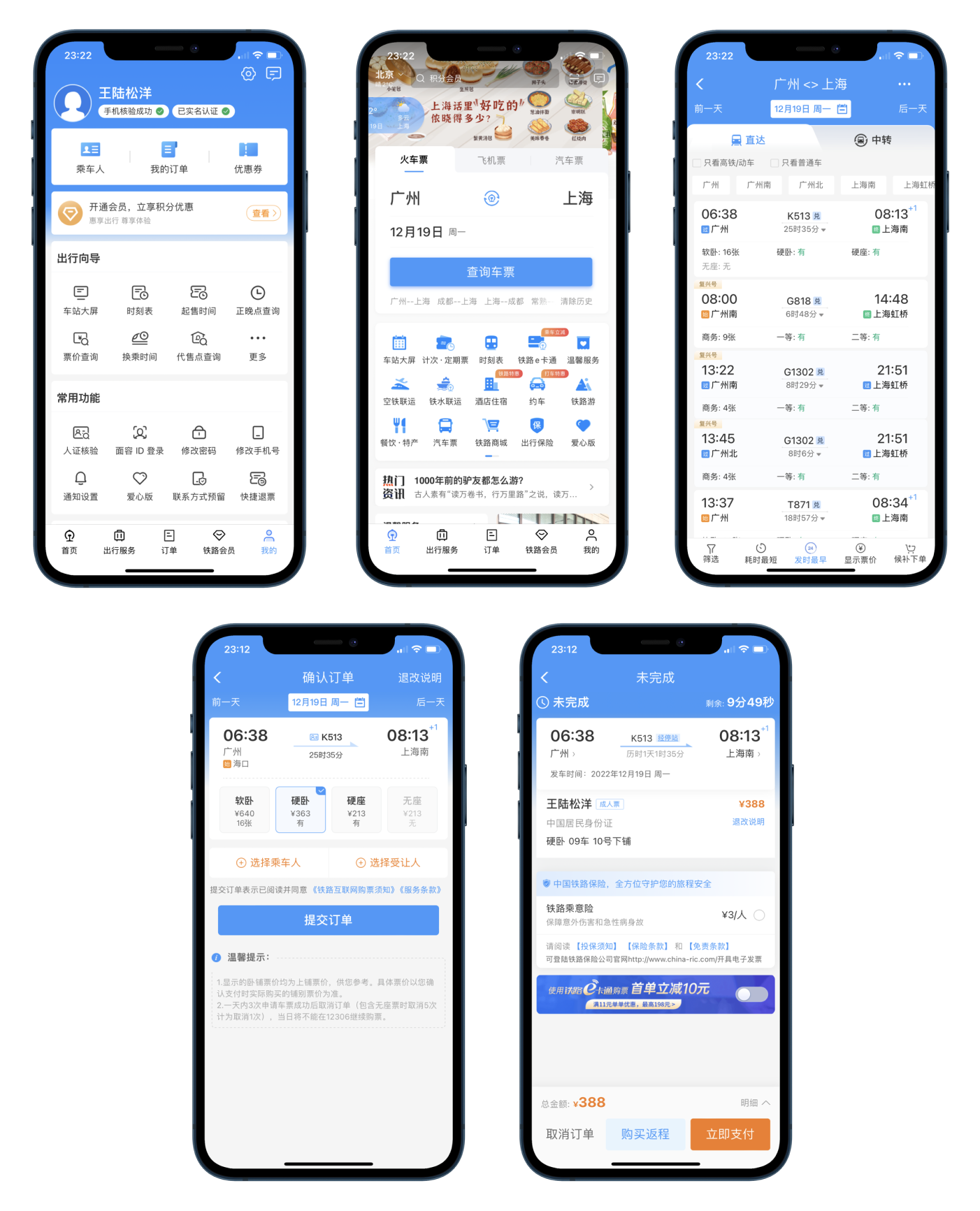
According to statistics data, the percentage of people over 65 years old in China is 17.84%, which means currently China has 250 million seniors.
As people getting older, their cognitive level decreases, it takes more time for them to accept new technologies, and most of them refuse to take the step.
The project wants to find out a way for seniors to get accustomed to current ticketless system with their most familiar ways.
To better understand the situation of seniors and illiterate people using digital services to buy tickets and enjoy public transportation, some secondary and primary researches were arranged.

Gathering plenty of information from seniors themselves and their children, employees at train stations.

Observing people's behavior at train stations, discovering their pain points, and customize travel experience for the aging population.

Understanding target users' feeling and expectations for ticketless experience.



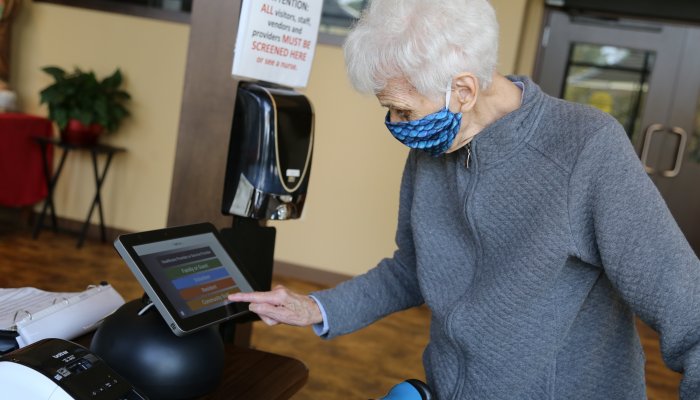
Senior travelers face physical challenges. When they are waiting for a train or carrying many luggages, their weak bodies can't support the activities.

Preparing digital wallet for payment is super hard for seniors. They are quite used to pay in cash, the concept of "digital currency" and technologies of this kind is terrifying for them to accept.
Staffs need to spend much time on teaching every senior to use the purchasing system.

As survey shows, half of the participants needs help of volunteers or policemen at train stations. It indicates there's room for improvement, and it's also a huge cost for operation.
Ideation creative solutions that solve the pain points found.


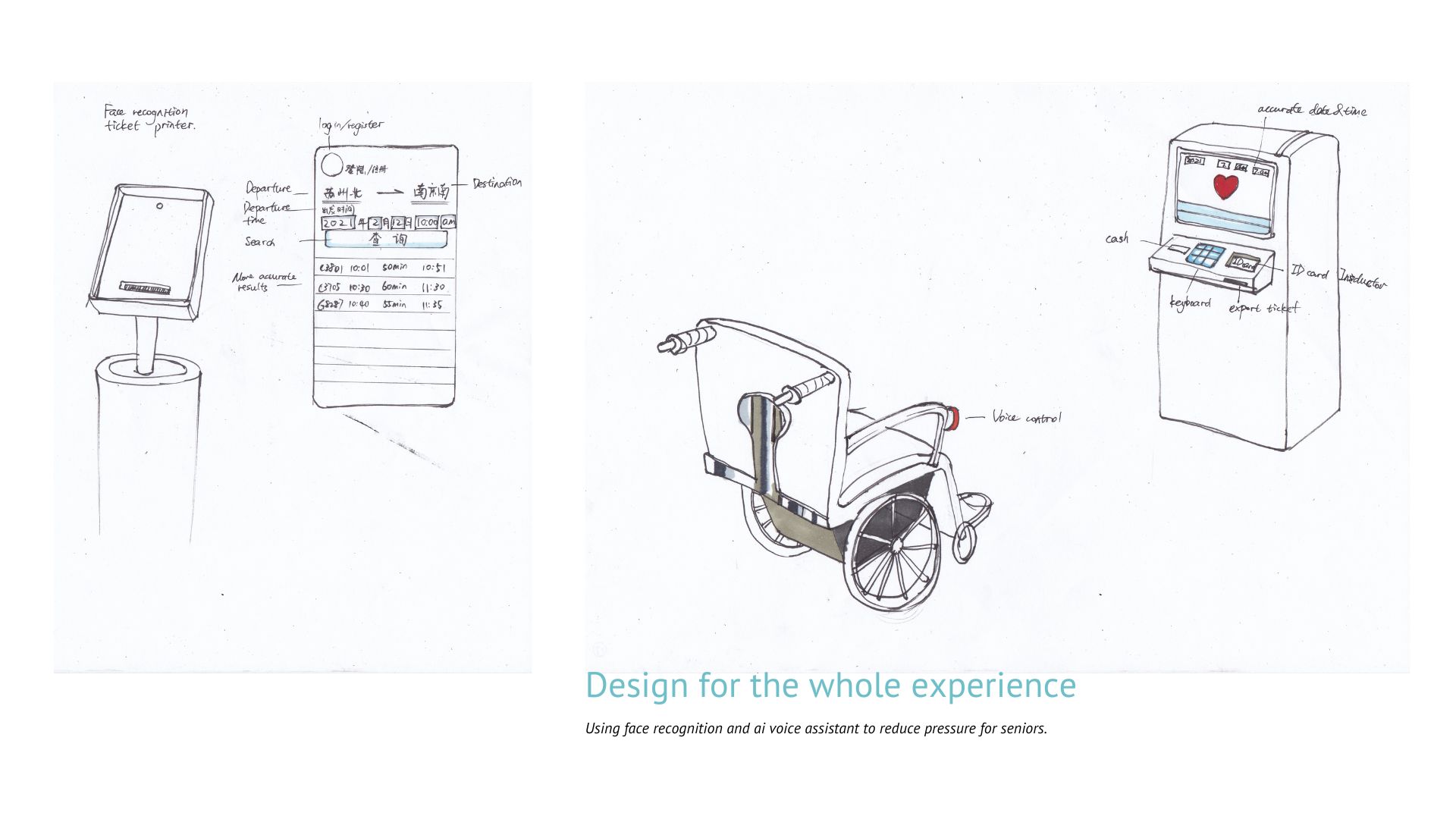
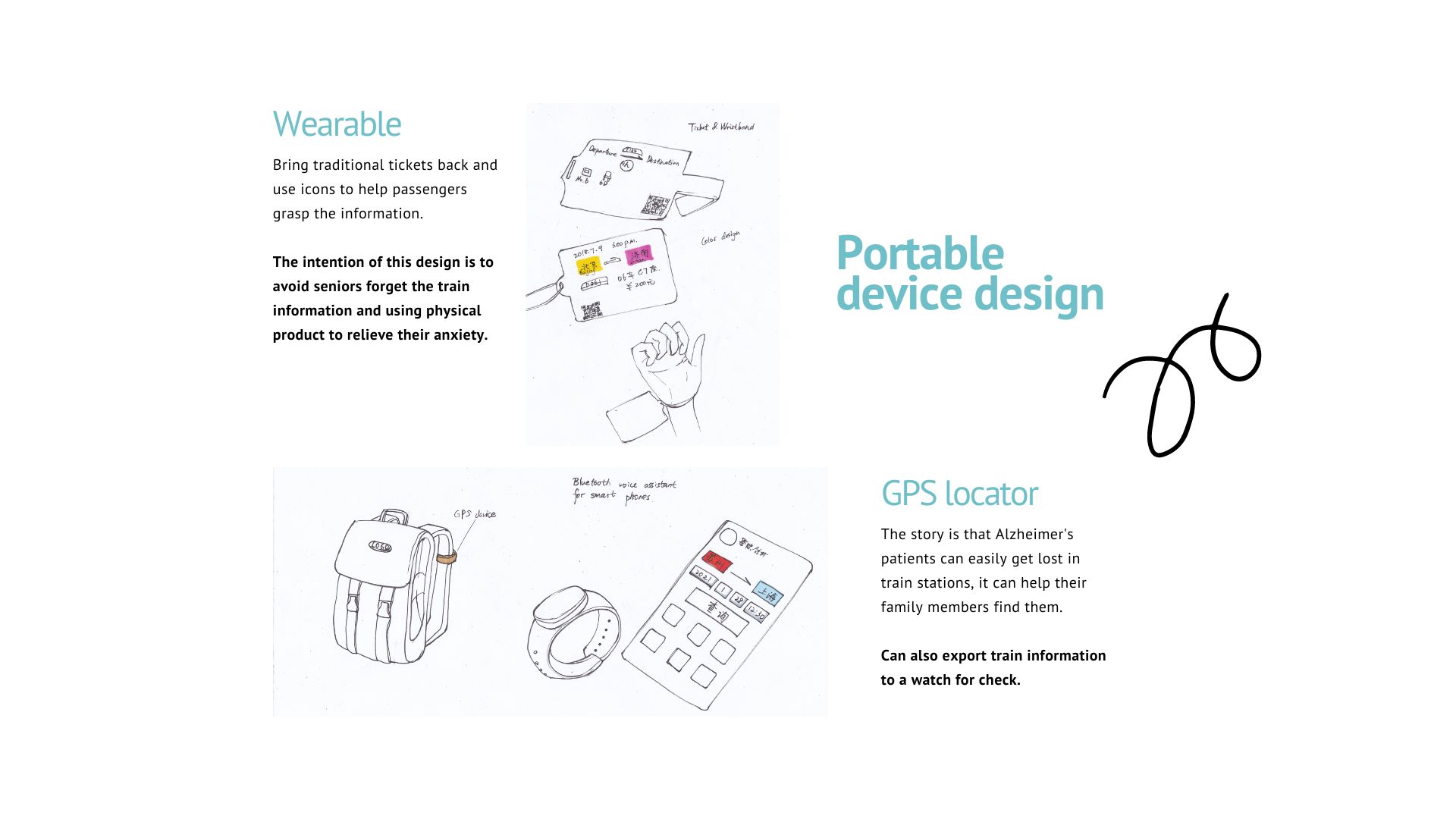


To collect feedbacks, we directly showed the ideas to target audiences, and organized their answers into a chart for discussion.